Introduction: Unlocking Leadership Through Inner Calm
In the fast-paced world of global business, the pressure on CEOs and top executives is unlike any other profession. They are expected to make decisions worth millions in seconds, lead with authority, and sustain high performance while balancing personal and professional responsibilities. Over the past decade, a surprising yet powerful practice has quietly emerged as the secret behind many of the most successful business leaders: meditation. No longer confined to monasteries or wellness retreats, meditation has become a mainstream tool for enhancing focus, resilience, and leadership capacity. Today, some of the most powerful names in business — from Salesforce’s Marc Benioff to LinkedIn’s Jeff Weiner — openly credit meditation as a cornerstone of their professional and personal growth. This article explores why meditation has earned the title of the secret weapon of CEOs, breaking down its psychological, neurological, and practical benefits, and offering actionable insights for executives and professionals alike.
The Growing Meditation Movement in Corporate Leadership
The perception of meditation has shifted dramatically over the years. What was once dismissed as a spiritual or alternative lifestyle activity is now embraced in boardrooms and executive suites. Many CEOs have realized that the key to mastering the outer world of business is first mastering their inner world. Companies such as Google, Apple, and Nike have introduced mindfulness and meditation programs for employees, setting the stage for meditation’s role in executive success.
This shift is not only cultural but also backed by science. Dozens of peer-reviewed studies highlight meditation’s effectiveness in reducing stress, improving cognitive flexibility, and enhancing emotional regulation — all of which are vital for leadership. CEOs deal with unpredictable market shifts, shareholder demands, and competitive landscapes, which means clarity and composure are essential. By adopting meditation, executives create mental “space” to think strategically and respond thoughtfully rather than react impulsively.
Why CEOs Turn to Meditation for Clarity
The average CEO’s day involves hundreds of decisions, ranging from small operational details to billion-dollar acquisitions. Decision fatigue is a real phenomenon, and without tools to manage it, leaders risk burnout, poor judgment, and reduced creativity. Meditation offers a solution by strengthening mental clarity and focus. It helps CEOs cut through the noise and prioritize what truly matters.
Key reasons meditation enhances clarity for CEOs:
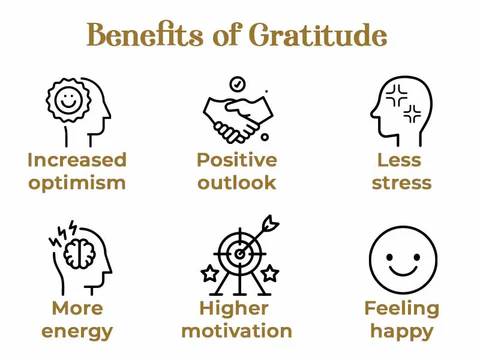
- Focus amplification: Meditation strengthens concentration, reducing distractions in high-pressure meetings.
- Stress management: Regular practice lowers cortisol levels, the stress hormone linked to poor decision-making.
- Creativity boost: Mindfulness practices activate brain regions associated with divergent thinking and innovation.
- Emotional balance: CEOs can navigate high-stakes negotiations with a calm and centered mindset.
- Energy sustainability: Instead of crashing mid-day, executives report increased stamina and mental endurance.
This combination of benefits provides a decisive edge in leadership, explaining why meditation is considered a secret weapon in the corporate world.
The Neuroscience of Meditation for Executives
Scientific studies reveal that meditation is not merely a relaxation technique — it physically alters the brain. Researchers at Harvard found that consistent meditation increases gray matter density in areas associated with memory, empathy, and emotional regulation. For CEOs, these neurological changes translate into sharper cognitive processing and improved interpersonal leadership skills.
Brain areas positively influenced by meditation:
| Brain Region | Function | Meditation Impact |
| Prefrontal Cortex | Decision-making, planning, focus | Stronger executive function, reduced impulsivity |
| Amygdala | Emotional reactivity, fear response | Decreased reactivity to stress and conflict |
| Hippocampus | Learning, memory | Enhanced ability to retain and recall strategic information |
| Insula | Self-awareness, empathy | Strengthened emotional intelligence, critical for leadership |
This neuroscientific backing shows meditation’s tangible value: it reshapes the brain to handle complex, high-pressure environments, making it one of the most effective leadership development practices available today.
Meditation as a Stress-Reduction Tool for CEOs
Stress is not a side effect of being a CEO — it is a defining element of the role. From managing global teams to ensuring shareholder satisfaction, executives are under constant scrutiny. Without proper tools, chronic stress leads to burnout, health problems, and reduced effectiveness. Meditation, however, provides a sustainable method for stress reduction.
CEOs who meditate report lower anxiety levels, improved sleep quality, and a greater sense of resilience in the face of challenges. For example, Bridgewater Associates founder Ray Dalio has long credited Transcendental Meditation as one of the most valuable skills he has learned, claiming it improved not only his well-being but also his company’s culture.
Building Emotional Intelligence Through Meditation
Great leaders are not just intelligent; they are emotionally intelligent. Emotional intelligence (EQ) encompasses self-awareness, self-regulation, empathy, and social skills — qualities that meditation significantly enhances. By cultivating mindfulness, CEOs become more aware of their thoughts and emotions, which allows them to respond more effectively to employees, clients, and stakeholders.
How meditation improves EQ in CEOs:
- Self-awareness: Recognizing emotional triggers before reacting.
- Self-regulation: Staying calm under pressure.
- Empathy: Understanding team dynamics and individual needs.
- Communication: Listening actively and speaking with clarity.
- Conflict resolution: Managing disputes with balance and fairness.
As organizations grow increasingly diverse and global, leaders with high EQ are more effective in building trust, fostering collaboration, and sustaining long-term success.
Daily Meditation Routines of Successful CEOs
One fascinating aspect of meditation’s rise in leadership is the diversity of practices CEOs adopt. Some prefer mindfulness meditation, others lean toward transcendental techniques, while a few combine meditation with physical practices like yoga.
Examples of CEO meditation habits:
| CEO | Company | Meditation Style | Routine |
| Ray Dalio | Bridgewater Associates | Transcendental Meditation | Twice daily, 20 minutes each |
| Marc Benioff | Salesforce | Mindfulness | Morning meditation before meetings |
| Arianna Huffington | Thrive Global | Breathing Meditation | Short sessions throughout the day |
| Jeff Weiner | Mindful Awareness | 10 minutes daily during work breaks |
These examples show that meditation is not about time commitment but about consistency. Even short daily sessions can create lasting results, making it a realistic tool for leaders with demanding schedules.
Meditation and Creativity in Business Innovation
In industries driven by disruption and innovation, creativity is a prized leadership trait. Meditation supports creativity by quieting the analytical mind and allowing novel ideas to surface. Studies show that mindfulness improves divergent thinking, the ability to generate multiple solutions to a single problem, which is essential for CEOs steering companies into uncharted markets.
By practicing meditation, CEOs create mental space for “aha” moments that fuel business breakthroughs. Steve Jobs, known for his meditative practices, credited Zen meditation with influencing Apple’s culture of simplicity and innovation. Today, leaders in technology, finance, and healthcare continue to integrate meditation as part of their creative process.
Implementing Meditation in the Workplace
Forward-thinking CEOs not only practice meditation personally but also integrate it into their organizations. By promoting corporate meditation programs, leaders foster healthier, more engaged workplaces. Employees benefit from reduced stress, higher morale, and greater productivity, while companies enjoy lower turnover and improved performance.
Benefits of workplace meditation programs:
- Reduced absenteeism due to stress-related illnesses.
- Improved employee satisfaction and engagement.
- Stronger team collaboration and creativity.
- Increased focus and productivity across departments.
- Enhanced corporate reputation as a wellness-focused employer.
Organizations such as Google with its “Search Inside Yourself” program have set benchmarks in integrating mindfulness practices, proving that meditation can be scaled beyond individual leadership to benefit entire companies.
Overcoming Skepticism About Meditation in Business
Despite overwhelming evidence, some executives remain skeptical of meditation, viewing it as “too spiritual” or unrelated to business. However, data-driven leaders often shift their perception once they see measurable improvements in performance, stress levels, and workplace culture. Framing meditation as a performance optimization tool rather than a spiritual activity helps overcome resistance in corporate environments.
The Future of Meditation in Corporate Leadership
Meditation is no longer a trend — it is a long-term movement reshaping leadership development. As business challenges grow increasingly complex, CEOs need tools that support clarity, resilience, and creativity. Meditation provides a cost-effective, accessible, and scientifically validated method to meet these needs. With companies investing in mental wellness initiatives and younger leaders embracing holistic performance strategies, meditation is set to remain a central pillar of executive success.
Conclusion: The Inner Game of Leadership
The modern CEO faces unparalleled challenges, but the solution often lies not in working harder, but in working smarter. Meditation equips leaders with the tools to remain calm under pressure, make strategic decisions, and inspire others with clarity and compassion. By cultivating mindfulness, CEOs unlock a secret weapon that not only enhances business performance but also improves personal well-being. For professionals at any stage, adopting meditation can serve as a powerful investment in both career and life success.
Frequently Asked Questions (FAQs)
1. Why do CEOs meditate?
CEOs meditate to improve focus, reduce stress, and enhance decision-making, which are all critical for leadership success.
2. Which CEOs practice meditation?
Notable CEOs include Ray Dalio, Marc Benioff, Arianna Huffington, and Jeff Weiner.
3. How much time do CEOs spend meditating daily?
Most CEOs meditate between 10–20 minutes per day, often once or twice daily.
4. Does meditation really improve decision-making?
Yes, studies show meditation improves clarity, focus, and emotional regulation, leading to better decisions.
5. Can meditation boost creativity for leaders?
Yes, meditation promotes divergent thinking and innovation, which are vital for CEOs in dynamic industries.
About the Author