Introduction: Linking Mind and Immunity
For centuries, spiritual traditions have emphasized the profound connection between the mind and body, suggesting that practices like meditation can positively influence health and longevity. Modern science now increasingly validates these insights, uncovering evidence that meditation may indeed strengthen the immune system. At a time when people face chronic stress, sleep disruptions, and heightened vulnerability to illnesses, the possibility that a simple mental practice could help fortify immunity feels both relevant and urgent. But the question remains: can meditation really boost your immune system, or are claims about its benefits overstated?
In this article, we’ll dive deep into what current research shows, how meditation impacts immunity biologically, and what practical steps individuals can take to apply these findings to daily life. We will also examine myths, compare meditation with other lifestyle practices, and highlight the long-term implications for personal and public health.
Understanding the Immune System’s Complex Role
The immune system is the body’s intricate defense network, comprising white blood cells, antibodies, cytokines, and specialized organs like the thymus and spleen. Its function is to identify and neutralize threats such as bacteria, viruses, and toxins. However, immunity is not fixed; it is heavily influenced by factors like stress levels, sleep quality, diet, and exercise.
Chronic stress, for example, releases high levels of cortisol, a hormone that suppresses immune function, weakens the ability to fight infections, and increases vulnerability to inflammatory diseases. This is where meditation enters the picture: by reducing stress and enhancing relaxation responses, meditation has the potential to rebalance hormonal activity and strengthen immune defenses.
The Science of Meditation and Immunity
Research has grown steadily over the past two decades, linking meditation with improved immune response, reduced inflammation, and even better outcomes in disease recovery. A meta-analysis published in Psychosomatic Medicine revealed that mindfulness meditation could increase antibody production following vaccination, while studies in Brain, Behavior, and Immunity showed reductions in inflammatory markers like C-reactive protein (CRP) after sustained meditation practice.
At the biological level, meditation influences the hypothalamic-pituitary-adrenal (HPA) axis, which governs the body’s stress response. By calming this system, meditation reduces the overproduction of cortisol, thereby helping white blood cells operate more effectively.
Key biological mechanisms influenced by meditation:
- Cortisol regulation – Lower stress hormones enhance immune activity.
- Increased telomerase activity – Supports cellular longevity and repair.
- Reduction in pro-inflammatory cytokines – Helps control chronic inflammation.
- Improved sleep quality – Supports natural immune repair cycles.
- Enhanced antibody response – Stronger defense following infections or vaccines.
Practical Benefits of Meditation on Immunity
The benefits of meditation on immunity are not limited to laboratory results; they extend into daily life, offering practical advantages for people of all ages.
- Fewer colds and infections – People practicing mindfulness often report reduced frequency of seasonal illnesses.
- Faster recovery times – Meditation supports healing and reduces stress-related delays in recovery.
- Better sleep quality – Deep sleep strengthens immune memory and function.
- Improved resilience – Mental calmness helps the body adapt to environmental stressors.
- Chronic illness support – Meditation may aid people living with autoimmune conditions.
Comparing Meditation with Other Health Practices
To better understand how meditation fits into immune health, it is useful to compare it with other lifestyle interventions such as exercise, nutrition, and sleep hygiene. While meditation is not a substitute for physical activity or balanced diets, it complements them by targeting stress reduction and mental well-being.
| Practice | Primary Benefit | Effect on Immunity | Complement to Meditation |
| Exercise | Improves cardiovascular health | Boosts white blood cell activity | Yes, both reduce stress |
| Nutrition | Provides essential vitamins & fiber | Strengthens gut microbiome | Yes, adds holistic effect |
| Sleep hygiene | Restores body functions | Enhances immune memory | Yes, meditation improves sleep |
| Meditation | Calms stress response | Reduces inflammation, boosts antibodies | N/A |
This comparison reveals that meditation is not a stand-alone miracle cure but a vital piece of the holistic health puzzle.
Types of Meditation and Their Impact
Mindfulness Meditation
Mindfulness trains awareness of thoughts, emotions, and bodily sensations. Studies show mindfulness lowers inflammatory markers and improves vaccine response.
Transcendental Meditation (TM)
TM uses silent mantras to induce deep rest. Research links TM to lowered blood pressure and stronger stress resilience, indirectly supporting immune strength.
Loving-Kindness Meditation
Focused on compassion and positive emotions, this form reduces stress while boosting emotional resilience—both factors closely tied to immunity.
Body Scan Meditation
By systematically focusing attention on body parts, body scan meditation promotes relaxation and helps regulate immune-related stress hormones.
| Meditation Type | Primary Immune Benefit | Best For |
| Mindfulness | Lowers inflammation, boosts antibodies | General health maintenance |
| Transcendental (TM) | Reduces stress hormones | Stress-prone individuals |
| Loving-Kindness | Enhances positive emotions | Emotional well-being & immunity |
| Body Scan | Promotes relaxation response | Sleep and recovery |
Stress, Immunity, and Meditation’s Role
Stress is perhaps the most critical factor undermining immune defenses. Chronic psychological strain triggers overproduction of pro-inflammatory cytokines, weakening the body’s ability to respond to infections and increasing susceptibility to autoimmune disorders. Meditation helps break this cycle by activating the parasympathetic nervous system, sometimes called the “rest-and-digest” mode.
Through consistent practice, meditation rebalances the autonomic nervous system, shifting dominance away from the stress-driven sympathetic mode. This shift allows the immune system to repair, restore, and function more efficiently.
How Much Meditation Is Enough?
A common question is how much meditation is necessary to experience immune benefits. While even short practices can help, research suggests that 20–30 minutes per day, five days a week, provides measurable improvements in stress reduction and immune function. Beginners may start with just 5–10 minutes and gradually increase.
- Short daily sessions build consistency and reduce cortisol levels.
- Weekly group practice boosts accountability and shared motivation.
- Retreat-style immersion can deliver profound changes in inflammation markers.
- Digital apps provide structured guidance for at-home practice.
- Consistency is more important than intensity for immune benefits.
Meditation and Autoimmune Conditions
Autoimmune conditions such as rheumatoid arthritis, multiple sclerosis, and lupus occur when the immune system mistakenly attacks the body. Stress and inflammation play major roles in flare-ups, and meditation has shown promise in helping patients manage symptoms.
In clinical trials, mindfulness-based stress reduction (MBSR) led to improvements in pain perception, fatigue, and mood among autoimmune patients. While meditation does not cure these conditions, it provides a supportive therapy that enhances quality of life and reduces reliance on medication alone.
Can Meditation Protect Against Viral Illnesses?
During the COVID-19 pandemic, questions about meditation’s role in fighting viral infections surged. While meditation cannot prevent infection outright, studies indicated that practitioners often reported milder symptoms, reduced anxiety during illness, and faster recovery times. Enhanced antibody response to vaccines was also noted in some mindfulness programs. This highlights meditation’s potential as a complementary practice for strengthening overall immune resilience in viral outbreaks.
Integrating Meditation into Daily Life
Meditation’s power lies in accessibility—it requires no expensive equipment, only time and willingness. Integrating it into daily routines can make immune benefits sustainable.
- Morning rituals – Begin the day with 10 minutes of mindfulness.
- Workplace breaks – Use short guided sessions to counter stress.
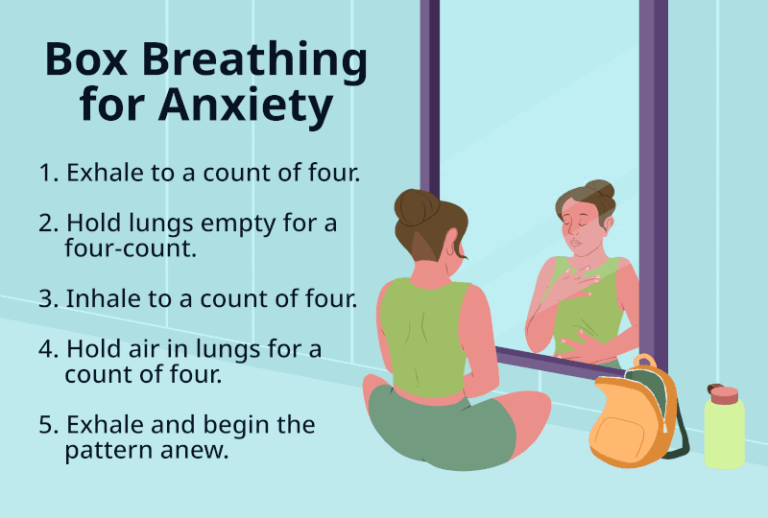
- Evening wind-downs – Combine meditation with breathing exercises before sleep.
- Mindful eating – Practice awareness at meals to aid digestion and immunity.
- Family meditation – Encourage group practice to promote collective well-being.
Challenges and Misconceptions
Despite growing evidence, skepticism remains about meditation’s true impact on immunity. Some people dismiss it as “too spiritual” or “unscientific,” while others expect immediate, dramatic results. The reality is more nuanced: meditation requires consistency, and its benefits accumulate over time. Additionally, meditation should not be mistaken for a replacement for medical care—it complements rather than replaces conventional treatments.
Future Directions in Meditation Research
The field of psychoneuroimmunology—which studies how psychological processes affect immunity—is rapidly evolving. Future research may clarify which meditation techniques offer the most potent immune effects, how long benefits last, and whether certain groups (such as children, elderly adults, or patients with chronic diseases) benefit more than others.
Emerging studies using brain imaging and genetic analysis suggest that meditation can influence gene expression linked to immunity, opening exciting possibilities for personalized mental health therapies.
Conclusion: Meditation as Immune Ally
So, can meditation really boost your immune system? The answer is a confident yes—though with nuance. Meditation strengthens immunity not by acting as a miracle cure but by reducing stress, lowering inflammation, improving sleep, and supporting overall resilience. Its true power lies in integration with other healthy lifestyle practices, creating a holistic approach to physical and mental well-being.
By dedicating a few minutes daily to stillness and mindfulness, individuals can harness meditation’s proven ability to balance the body’s defenses. For those seeking long-term vitality, meditation is not only a path toward inner peace but also a science-backed ally of the immune system.
FAQs: Can Meditation Really Boost Your Immune System?
1. How does meditation improve immune function?
Meditation reduces cortisol, lowers inflammation, and enhances antibody responses.
2. How much meditation per day is needed for benefits?
Around 20–30 minutes daily is optimal, though even 10 minutes helps.
3. Can meditation replace vaccines or medications?
No, meditation complements but does not replace medical treatments.
4. Which type of meditation is best for immunity?
Mindfulness meditation shows the strongest evidence, though others also help.
5. Does meditation help with autoimmune conditions?
Yes, it reduces stress and inflammation, improving quality of life for patients.
6. Can children benefit from meditation for immunity?
Yes, age-appropriate mindfulness can reduce stress and support overall health.
7. How quickly can results be seen?
Some people notice changes in weeks, while deeper benefits require months.
8. Can meditation prevent colds or flu?
It cannot guarantee prevention but lowers frequency and severity.
9. Is guided meditation more effective than silent practice?
Both are effective; guided meditation often helps beginners stay consistent.
10. Are there risks to using meditation for immunity?
Meditation is generally safe, though people with severe trauma should practice with guidance.
About the Author